
Growing your LinkedIn page
Learn how to grow your LinkedIn page with a 2026-ready strategy covering link building, prospecting, outreach, content, anchor text, and scaling for lasting results.

Growing your LinkedIn page in 2026 is no longer about posting more often and hoping the algorithm notices. It now requires a sharper LinkedIn strategy 2026: tighter positioning, stronger content pillars, better distribution, and a workflow that can support consistent execution across one or multiple accounts.
The biggest shift in the LinkedIn algorithm 2026 is that relevance beats volume. That means your LinkedIn company page, personal profiles, and showcase pages all need to work together to build topical authority, improve LinkedIn organic reach, and drive real LinkedIn engagement—not just vanity metrics.
In this guide, we’ll break down the LinkedIn best practices that actually move the needle: LinkedIn page optimization, audience research, content planning, analytics, and post formats like LinkedIn carousels and LinkedIn short video. We’ll also cover the operational side that most guides miss, including safe multi-account workflows for agencies, lead gen teams, and creators who need clean account separation at scale.
If you want practical, execution-driven LinkedIn page growth—not recycled advice or product-led fluff—you’re in the right place. And if your team manages multiple profiles, tools like GoUndetected.io can help keep operations organized and compliant while you scale.
Link Building Basics
Link building still matters because search engines treat links as signals of trust, relevance, and authority. A strong backlink profile can help pages get discovered faster, rank for competitive terms, and attract referral traffic from audiences already interested in your topic.
Why links matter
Not all links carry the same weight. A single relevant link from a respected industry site can outperform dozens of weak mentions, especially when the linking page has real traffic and topical alignment. That’s why link building should support your content strategy, not replace it.
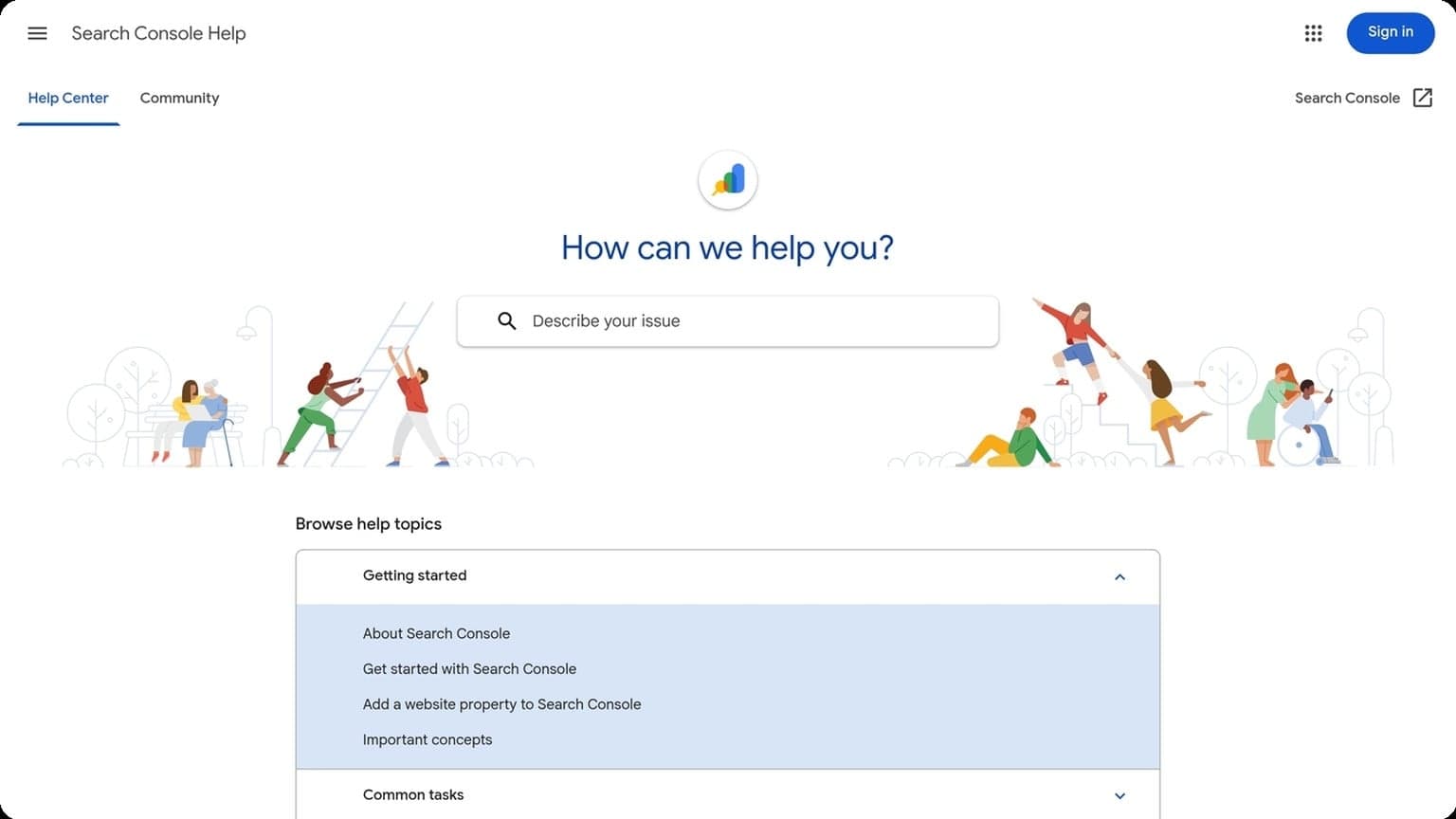
Think of links as reputation data: they help search engines understand which pages are worth surfacing. For practical guidance on how Google evaluates links, review the SEO Starter Guide.
Quality over quantity
Prioritize links that are earned, relevant, and placed naturally within useful content. A smaller set of high-quality links is usually safer and more durable than a large batch of low-value placements that look manipulative.
- Topical relevance to your niche
- Real organic traffic and visible readership
- Editorial placement, not sitewide spam
- Diversified domains and anchor text
| Good link | Risky link |
|---|---|
| Relevant article mention on a trusted site | Paid placement on a thin, unrelated blog network |
| Natural anchor text inside context | Exact-match anchors repeated at scale |
Safe outreach
Effective outreach is personalized, concise, and value-led. Pitch a specific page, explain why it fits the publisher’s audience, and offer something useful—data, a quote, a resource, or a correction. Avoid mass templates that ignore context.
When managing outreach across multiple campaigns, keep accounts separate, messaging consistent, and workflows organized. A simple process reduces mistakes and helps you scale without triggering avoidable trust issues.
- Research the site and recent content.
- Match the pitch to a clear editorial need.
- Send one focused follow-up, then stop.
Link Prospecting Strategy
Effective link prospecting starts with precision. Instead of chasing every site that mentions your niche, map where your audience already reads, links, and converts. The goal is to build a short list of prospects with real topical fit, measurable authority, and a clear reason to link.
Find relevant sites
Start with search operators, competitor backlink analysis, and content gap research to uncover sites that already cover your topic. Prioritize pages that publish resource lists, guides, case studies, or industry commentary, since these formats are more likely to link out naturally.
Filter by intent, not just keywords. A site can mention your industry and still be a poor prospect if its audience is too broad or its content is unrelated to your offer.
- Search for “best tools,” “resources,” “alternatives,” and “how-to” pages in your niche
- Review competitor backlinks for repeat linking domains
- Check whether the site publishes fresh content on a regular schedule
Check authority signals
Authority is more than a single score. Use a mix of signals to judge whether a site is worth outreach: organic visibility, backlink quality, indexing health, and whether the domain attracts real traffic. A low-traffic site with a strong topical audience can still be valuable, but it should be deliberate.
| Signal | What to look for |
|---|---|
| Organic traffic | Stable rankings and consistent search visibility |
| Backlink profile | Relevant referring domains, not spam-heavy anchors |
| Content quality | Original, updated, and editorially maintained pages |
Build target lists
Once prospects are vetted, segment them into outreach tiers so you can match the pitch to the opportunity. This keeps campaigns organized and helps you scale without sending generic emails.
- Tier 1: high-authority, high-relevance sites for your best pitches
- Tier 2: solid niche sites that may respond to value-driven content
- Tier 3: smaller publishers for volume testing and relationship building
Track each target in a spreadsheet or CRM with notes on contact details, topic fit, and past outreach. If you manage multiple campaigns, GoUndetected can help you keep research and outreach workflows separated and organized across accounts.

Outreach That Gets Replies
Reply rates usually improve when outreach feels relevant, useful, and easy to act on. In multi-account campaigns, that means every message should look like it was written for one recipient—not blasted from a template. Here’s how to make your outreach earn attention instead of the archive.
Personalize Every Email
Use a specific trigger: a recent post, product launch, hiring update, or mutual connection. A single sentence that proves you did the homework often matters more than a long pitch. Keep it natural and concise.
For scale, personalize the first line, one pain point, and one proof point. That gives you relevance without making each email slow to send.
- Reference a real event or content piece.
- Match your offer to the recipient’s role or business stage.
- Use names, dates, and context accurately.
Offer Clear Value
People reply when they can quickly see what they get. State the outcome, not just the service. “We help agencies reduce follow-up time by 30%” is stronger than “We offer automation.”
Keep the ask small and specific. If the next step is a 15-minute call, say so. If you’re sharing a resource, explain why it matters to them right now. For message structure ideas, see Gmail’s help on composing email and keep your CTA aligned with the recipient’s likely effort level.
| Weak CTA | Stronger CTA |
|---|---|
| Let me know what you think | Open to a 15-minute chat next Tuesday? |
| Check out our product | Want the 2-minute demo that shows the workflow? |
Follow Up Politely
Most replies come after the first email, so follow-up is part of the strategy, not a backup plan. Space messages out, add a new angle each time, and avoid guilt-driven language.
A simple sequence works well:
- Day 3–4: short reminder with one new benefit.
- Day 7–10: add a relevant example or proof point.
- Final touch: close the loop politely and leave the door open.
Content Worth Linking
Content worth linking earns backlinks because it gives other sites something useful to reference, not just something to mention. For multi-account teams, that usually means publishing assets that solve a real operational problem, show original evidence, or stay relevant long enough to be cited repeatedly.
Create linkable assets
Build pages people want to bookmark and quote: checklists, templates, calculators, benchmarks, and step-by-step playbooks. These formats are easy to reference in tutorials, roundups, and community posts because they reduce work for the reader.
For example, a “multi-account setup checklist” or “proxy selection guide” can attract links from agencies, operators, and forums that need a practical resource. Keep the asset specific, visual, and simple to reuse.
- Templates for workflows or audits
- Original frameworks and comparison charts
- Downloadable checklists and SOPs
Use data and stats
Data-led content is more linkable because it adds proof, not opinion. Even small studies can earn citations if they answer a question people already ask, such as how often accounts get flagged, which browser signals matter, or how teams structure their stack.
Use trustworthy sources and clearly label methodology. If you cite external research, link to the original source, such as Google Search Central or platform help centers, and combine it with your own observations when possible.
| Data type | Why it gets links |
|---|---|
| Industry benchmarks | Gives readers a comparison point |
| Original surveys | Provides fresh, citable insights |
| Case study metrics | Shows measurable outcomes |
Refresh old posts
Updating existing articles is often faster than starting from zero. Revisit pages that already have impressions, impressions-to-click gaps, or a few backlinks, then improve them with newer examples, updated stats, and clearer internal links.
Prioritize posts with decaying traffic, outdated screenshots, or changing platform rules. A refresh can turn a decent article into a linkable reference again, especially when you add a new section, tighten the intro, or expand the most-cited part of the page.
- Find pages with traffic decline or stale facts.
- Replace old references with current data.
- Add one stronger asset, stat, or visual.
Anchor Text Best Practices
Anchor text shapes how search engines and users understand a link. For multi-account workflows, the goal is the same: keep links readable, relevant, and varied so they look earned rather than engineered.
Use natural phrases
Write anchor text the way a real person would refer to the destination page. Descriptive, conversational phrases usually outperform exact-match keywords because they fit the surrounding sentence and give clearer context. For example, “see our proxy setup guide” is stronger than repeating a keyword-heavy phrase in every post.
Natural anchors also reduce friction for users scanning content. If the link sounds forced, it can weaken trust and lower click-through. A practical rule is to make the anchor answer the question: what will I get if I click?
Avoid over-optimization
Search engines can detect repetitive anchor patterns, especially when the same keyword appears across many links. That kind of consistency may look manipulative, particularly in link-building campaigns or internal linking plans that scale fast.
Keep anchors varied and context-led. A simple distribution works well:
- Branded: GoUndetected
- Partial-match: browser for multi-account management
- Descriptive: learn how to isolate browser profiles
- Generic: read more, this guide
Mix anchor types
A healthy anchor profile blends brand, keyword, and generic phrases. This creates a more natural link graph and helps you support different pages without repeating the same wording. It also improves topical relevance across articles, guides, and landing pages.
Use the mix based on intent and placement. Internal links can be more descriptive, while external mentions often work best with branded or partial-match anchors. For a quick check, compare your current links against the balance below:
| Anchor type | Best use | Risk if overused |
|---|---|---|
| Branded | Trust and recognition | Low relevance |
| Partial-match | Topic signaling | Keyword stuffing |
| Generic | Natural flow | Weak context |
Track Results and Scale
Once your outreach system is running, the real advantage comes from measurement. Track what earns links, which pages attract attention, and where your time is producing the best return. That makes it easier to scale without increasing risk or wasting effort.
Measure link growth
Monitor both volume and quality. A steady rise in referring domains is more useful than a spike in low-value links, especially if those links come from relevant sites with real traffic. Use a simple weekly dashboard to compare campaigns, content assets, and anchor patterns.
| Metric | Why it matters | What to watch |
|---|---|---|
| Referring domains | Shows true reach | New, unique sites linking in |
| Link quality | Protects SEO value | Relevance, traffic, placement |
| Velocity | Reveals momentum | Links gained per week |
Spot winning tactics
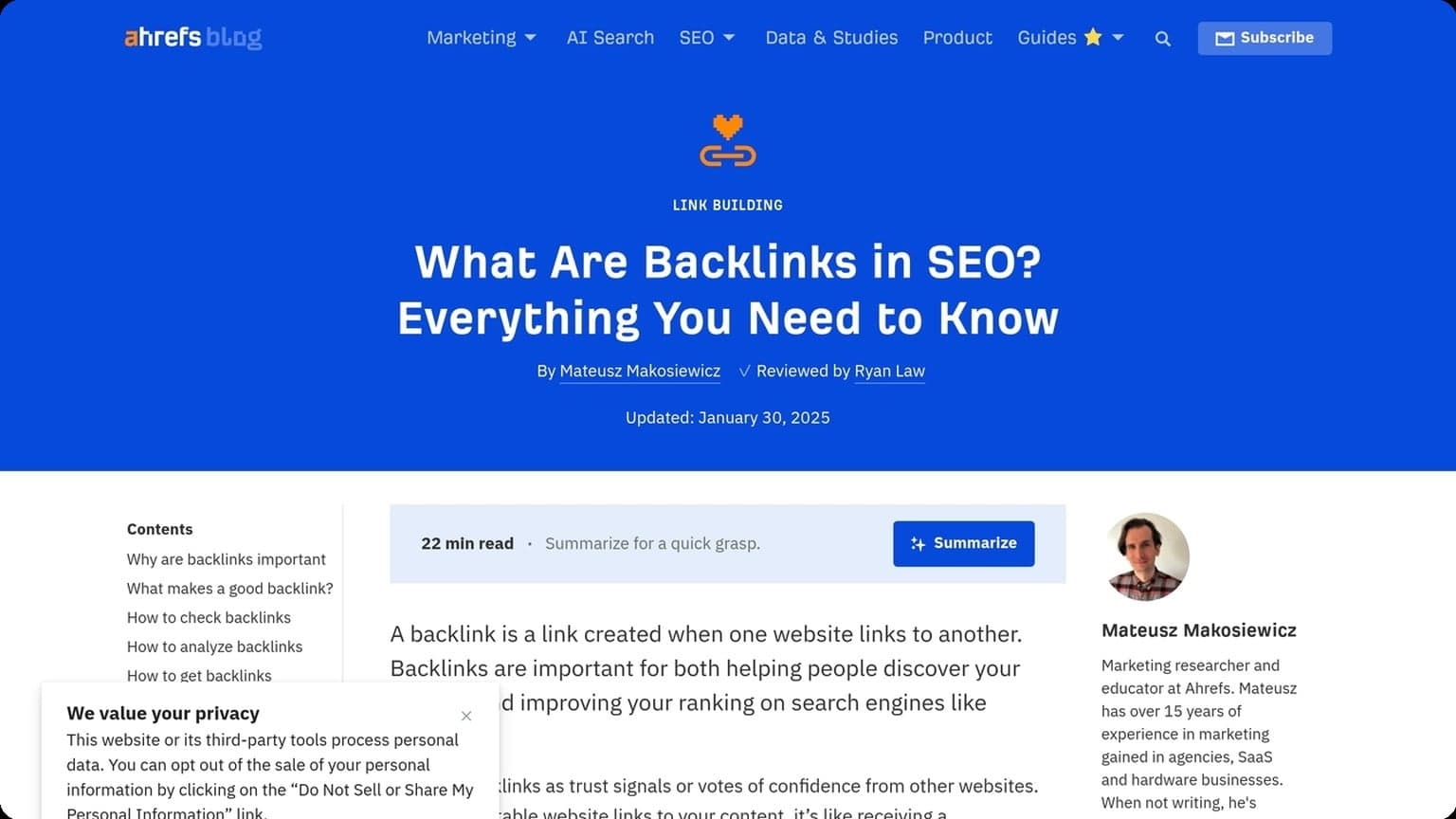
Look for patterns in the outreach that converts. Certain subject lines, content angles, or target site types will consistently outperform others. If you want a benchmark for link evaluation, tools like Ahrefs’ backlink guides can help you refine what “good” looks like.
- Which pages earned the most links
- Which email angles got replies
- Which niches accepted placements fastest
- Which accounts or workflows had the highest success rate
Repeat what works
Turn top-performing tactics into a repeatable playbook. Standardize the page types, outreach templates, and follow-up timing that already proved effective, then test one variable at a time so results stay clear.
As you scale across more campaigns or accounts, keep your setup organized and consistent. A reliable workflow makes it easier to expand safely, and GoUndetected is a smart choice for managing that growth without losing control.
Need more hands-on playbooks? Read How to Compare Anti-Detection Tools for Team Onboarding, Permissions, and Audit Trails, Anonymous browser, and How to monetize Instagram.
Browse Undetected. Stay Private.
Unique browser fingerprints, built-in proxy support, and anti-detection technology. Try GoUndetected free for 7 days.
Available for macOS and Windows · No credit card required