
How to Compare Anti-Detection Browsers for Crypto Airdrop Farming: Wallet Separation, Fingerprint Stability, and Recovery Workflows
Learn how to compare anti-detection browsers for crypto airdrop farming by evaluating wallet separation, fingerprint stability, and recovery workflows to reduce bans and protect accounts.

If you’re researching How to Compare Anti-Detection Browsers for Crypto Airdrop Farming: Wallet Separation, Fingerprint Stability, and Recovery Workflows, you’re probably already past the beginner stage. At this point, the real challenge isn’t just running multiple accounts—it’s keeping each wallet isolated, making each browser profile look consistent over time, and having a recovery plan when something breaks. In airdrop operations, the difference between a clean workflow and a risky one is often operational discipline: how you assign wallets, how you reuse profiles, and how quickly you can restore a setup without introducing new links between identities.
That matters for marketers, affiliates, e-commerce operators, and agencies because the same operational discipline used in multi-account workflows also applies to airdrop farming: clean separation, repeatable setups, and low-friction recovery. The tools you choose can determine whether your accounts stay stable for weeks or get flagged after a few sessions. A browser that looks good in a feature list may still fail in practice if it leaks signals, makes profile management clumsy, or creates too much friction when you need to clone, back up, or hand off an account.
In practice, the best anti-detection browser is the one that helps you manage identities like systems, not like tabs. You want dependable fingerprint control, profile portability, team-friendly organization, and a workflow that lets you restore a setup quickly without creating new risk. If you’re comparing options, that’s exactly where a platform like GoUndetected.io becomes relevant. The right setup should make it easier to keep each account’s history, wallet, and browser environment aligned so your operations stay predictable as you scale.
In this guide, we’ll break down the features that actually matter for crypto airdrop workflows, show you what to test before committing, and explain how to evaluate browser quality beyond marketing claims. We’ll also connect the dots to broader multi-account use cases, including profile isolation and collaboration workflows, anti-detection testing criteria for browser stability, and anonymous browsing strategies that many growth teams already rely on. The goal is to help you compare tools on practical criteria: stability, recoverability, and how well they support a repeatable process when the stakes are tied to wallet safety and account longevity.
Airdrop Basics
Airdrop participation is less about “being everywhere” and more about looking like one consistent, legitimate user. The three basics below help reduce obvious patterns that can trigger eligibility checks, manual review, or outright exclusion. If you treat each account like a separate operational unit, you reduce the chance that one mistake contaminates the rest of your setup.
Wallet separation
Use one wallet per identity, campaign, or strategy. Mixing test claims, farming wallets, and high-value wallets in the same setup creates a clean link between accounts and makes it easier for projects to cluster your activity. Separation also helps when you need to audit performance later, because each wallet has a clear purpose and a cleaner transaction history.
Keep operational habits separate too: distinct funding sources, different interaction histories, and clear notes on what each wallet is for. A simple structure helps.
- One wallet for long-term holding
- One wallet for active airdrop engagement
- One wallet for experiments or low-trust dApps
Fingerprint stability
Airdrop systems often score consistency. If your browser fingerprint changes too often, it can look like account sharing, automation, or device spoofing. Stability matters more than trying to “look different” every session. In practical terms, a stable profile should keep the same browser identity, extension state, and session behavior unless you intentionally change something.
Keep the same browser profile, device characteristics, and session behavior whenever possible. Tools like GoUndetected.io help maintain controlled, repeatable browser environments so each account appears steady rather than suspicious. That consistency becomes especially important when you revisit the same dApp, sign multiple transactions, or return after a few days of inactivity.
| Signal | Low-risk pattern | Red flag |
|---|---|---|
| Browser fingerprint | Consistent profile | Frequent, unexplained changes |
| Wallet usage | One purpose per wallet | Cross-linked activity |
| Session behavior | Regular login cadence | Sudden bursts from new setups |
Risk signals
Most projects look for clusters of behavior, not one isolated mistake. Repeated IP changes, identical transaction timing, and similar funding paths can all increase risk scores. Even if each action seems harmless on its own, the combined pattern can make an account look coordinated rather than organic.
Before claiming, check for common warning signs and fix them early:
- Multiple wallets funded from the same source
- Identical actions across several accounts
- Fast switching between devices or browsers
- Overuse of public or unstable proxies
Wallet Isolation
Wallet isolation is one of the simplest ways to reduce cross-account risk in crypto workflows. When each profile has its own wallet, seed phrase, and cleanup routine, you make it harder for platforms to connect activity across identities and easier to recover if one account is flagged. It also gives you a cleaner operational map, so you can tell at a glance which profile is active, which one is dormant, and which one needs review.
One wallet per profile
Keep a strict 1:1 mapping between browser profile and wallet. Reusing the same wallet across multiple accounts creates a shared fingerprint through transaction history, token approvals, and address reuse. In practice, that means one profile should only ever open one wallet and one chain-specific setup.
A clean structure also makes operations easier to audit. If you run airdrops, DeFi, or marketplace accounts, separate wallets help you isolate risk, track balances, and avoid accidental overlap. It also makes recovery faster because you can restore only the affected profile instead of rebuilding an entire environment.
- Use a dedicated wallet for each profile
- Keep chain-specific wallets separate when needed
- Document which profile owns which address
Seed safety
Seed phrases should never be stored in the browser profile, cloud notes, or shared passwords. Treat them like production credentials: offline, encrypted, and accessible only when absolutely necessary. If a single seed is exposed, every linked wallet and account can be compromised. For teams, the safest approach is to limit who can access recovery data and to keep a clear record of where backups are stored.
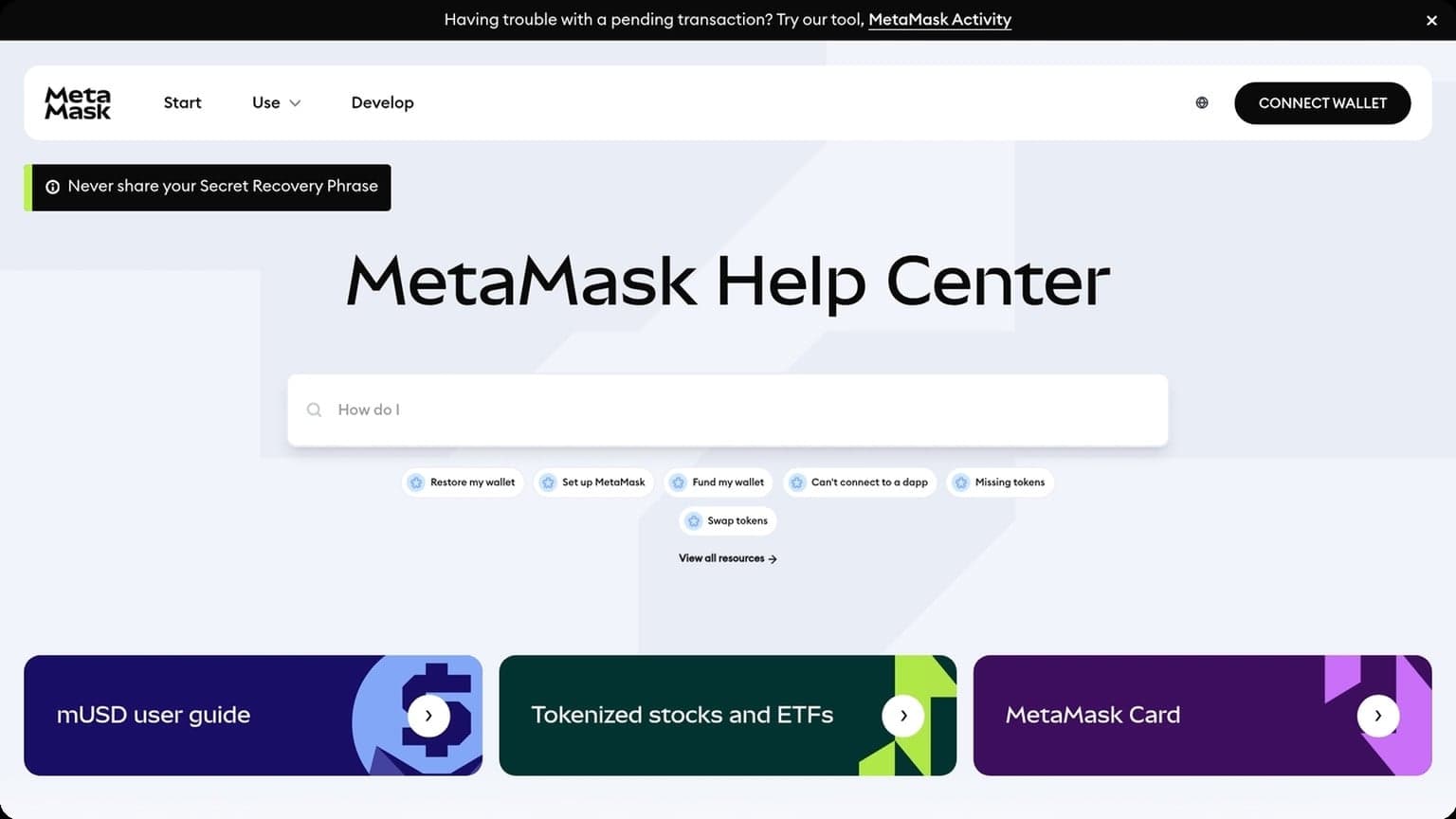
For safer handling, keep recovery data in a password manager or offline vault and avoid copy-pasting seeds into multiple devices. For official guidance, review MetaMask Help Center or your wallet provider’s documentation.
- Store seeds offline or in encrypted storage
- Never reuse the same seed across profiles
- Verify wallet extensions before importing
Session cleanup
After each task, clear wallet sessions, disconnect dApps, and remove stale approvals where possible. Open sessions and lingering permissions can link activity across profiles even when the wallets are separate. A quick cleanup routine lowers that exposure and makes the next login more predictable.
Use a repeatable checklist so every profile ends in a known state:
| Action | Why it matters |
|---|---|
| Disconnect dApps | Stops persistent session links |
| Revoke unused approvals | Limits token and contract risk |
| Close and relaunch profile | Resets local session artifacts |
Fingerprint Checks
Fingerprint checks help platforms decide whether a browser session looks like a real, stable user or a stitched-together automation setup. For multi-account workflows, the goal is not to “hide” everything, but to keep core signals aligned so the profile behaves consistently across sessions. That means fewer unexplained changes, fewer mismatches, and fewer reasons for a platform to treat the account as suspicious.
Canvas consistency
Canvas fingerprinting reads how your browser renders hidden graphics. Small differences in GPU, driver, font stack, and browser build can change the output, so inconsistent canvas data is a common red flag. If one account shows a different canvas pattern every login, it can look like device switching rather than normal use.
Check that your browser profile keeps the same rendering behavior over time. A reliable setup should preserve the same canvas signature for a given profile while still separating it from other profiles. For background on the technique, see the MDN Canvas API docs.
WebRTC leaks
WebRTC can expose local and public IP data even when you are using a proxy. That matters because a mismatch between your visible IP and your WebRTC-reported network path can instantly connect accounts that were meant to stay isolated. In airdrop workflows, that kind of leak can undermine an otherwise clean setup in a single session.
- Confirm WebRTC is blocked, masked, or routed through the same exit path as your proxy.
- Test for local IP exposure on every profile before logging in.
- Recheck after browser updates, since settings can reset.
If you need a reference point, browser vendors document WebRTC behavior in places like the official WebRTC overview.
Timezone match
Timezone is a simple signal, but it is heavily used in risk scoring because it ties together IP geography, language, and login timing. A US proxy with a European timezone, for example, creates a pattern that looks artificial even if everything else is clean. The same applies to locale settings, which should not conflict with the region your profile is meant to represent.
Keep timezone aligned with the account’s expected region and proxy location. A quick pre-login check should include:
- Timezone matches proxy country or city.
- System clock is accurate.
- Language and locale do not conflict with the profile region.
Comparison Criteria
When comparing antidetect browsers for multi-account work, the best choice is rarely the one with the longest feature list. Focus on how well the browser protects identity signals, how much control you have over each profile, and whether automation fits your workflow without creating extra operational risk. A practical comparison should also account for recovery speed, because a browser is only useful if you can restore a profile cleanly after a crash, update, or handoff.
Stealth quality
Stealth quality is the foundation. A strong antidetect browser should help reduce fingerprint consistency across sessions by isolating browser parameters, storage, and device signals. The goal is not just to “change” a fingerprint, but to keep profiles stable and believable over time.
Evaluate whether the tool offers realistic fingerprint generation, frequent updates, and protection against common leaks such as WebRTC, canvas, timezone, and font mismatch. For reference on browser fingerprinting concepts, see browser help resources and privacy research from AmIUnique.
Profile control
Profile control determines how efficiently you can manage many accounts without overlap. Look for separate profile storage, granular proxy assignment, cookie import/export, and clear naming or tagging systems that make audits easier. If you manage dozens of identities, the ability to sort, search, and restore profiles quickly can matter as much as the stealth layer itself.
| What to check | Why it matters |
|---|---|
| Profile isolation | Prevents cross-account contamination |
| Proxy pairing | Keeps IP, region, and profile data aligned |
| Backup/export | Supports recovery and team handoffs |
Automation support
Automation support matters if your team runs repetitive actions at scale. The best tools make it possible to launch, edit, and reuse profiles through APIs, scripts, or integrations while preserving the same browser identity each time. That consistency is important when you need to repeat a workflow across many accounts without introducing new variables.
Check for:
- API access or local automation endpoints
- Compatibility with Selenium, Playwright, or Puppeteer
- Stable session persistence for scheduled tasks
- Team permissions for shared workflows
Testing Workflow
A controlled testing workflow helps you separate real performance from luck. Start with a clean baseline, run one airdrop trial, and record every variable that could affect detection, eligibility, or completion time. The more consistent your test process, the easier it becomes to compare browsers and identify which settings actually improve outcomes.
Baseline test
Before scaling, verify that each profile behaves like a normal user. Use the same device, proxy type, browser settings, and registration flow across a small sample so you can spot anomalies early. If a profile fails at login, CAPTCHA, or wallet connection, fix the issue before adding more accounts.
Keep the baseline simple and repeatable. A consistent setup makes it easier to compare results across campaigns and reduces the risk of drawing conclusions from noisy data.
Airdrop trial
Run a single airdrop workflow end to end: connect wallet, complete required actions, and confirm the account remains stable after submission. This trial should measure both speed and reliability, not just whether the task was completed. If possible, repeat the same trial later from the same profile to see whether the browser preserves the same behavior under real usage conditions.
- Time to complete each step
- Any fingerprint, proxy, or session errors
- Platform responses, warnings, or manual checks
- Post-submit account status after 24 hours
If you need a reference for browser isolation concepts, review the official GoUndetected documentation alongside the campaign rules.
Log results
Document every test in one place so you can compare setups objectively. A simple spreadsheet is enough if it captures the right fields and is updated immediately after each run. Over time, this log becomes your best source of truth for deciding which profiles are safe to reuse and which ones need to be retired.
| Profile | Proxy | Outcome | Notes |
|---|---|---|---|
| Baseline 01 | Residential | Pass | Stable login, no warnings |
| Trial 02 | Mobile | Review | CAPTCHA delayed submission |
Track patterns, not just outcomes. Over time, this log shows which proxy types, profile settings, and workflows deliver the highest success rate with the least friction.
Best Practices
Consistent multi-account management depends less on aggressive changes and more on disciplined routines. The safest approach is to keep identity signals stable, make updates in small increments, and monitor each profile for unusual behavior before it turns into a platform warning. That discipline also makes recovery easier, because you can identify exactly what changed when something stops working.
Rotate carefully
Proxy and profile rotation should be planned, not random. Frequent or large jumps in IP, device, or timezone data can create mismatched fingerprints that look suspicious to anti-fraud systems. A gradual rotation schedule helps preserve continuity while still reducing exposure.
Use a simple rule: change one variable at a time and validate the account after each update. That makes it easier to isolate issues and avoid triggering verification prompts.
- Keep location, language, and timezone aligned.
- Reuse stable profiles for recurring logins.
- Avoid switching proxies mid-session unless necessary.
Avoid overlap
Overlap happens when multiple accounts leave similar traces at the same time, such as shared IPs, repeated browser fingerprints, or mirrored activity patterns. Even if each account is legitimate, repeated overlap can connect them in platform risk models.
Separate workflows as much as possible. Distinct profiles, unique session timing, and dedicated proxy assignments reduce cross-account contamination and make each identity look independently managed.
| Risk signal | Safer approach |
|---|---|
| Shared login network | Assign a unique proxy per account |
| Same browser profile | Use isolated profiles for each identity |
| Identical posting cadence | Stagger actions across accounts |
Review alerts
Alerts are early signals, not noise. Login challenges, email verifications, shadow bans, or sudden reach drops often appear before a full restriction. Reviewing them quickly helps you spot whether the issue is a proxy, fingerprint mismatch, or behavior pattern.
Set a routine to check account health after every major change. For platform-specific guidance, consult official help centers such as Instagram Help or Google Support, then compare those signals with your own session logs. A browser that supports clean recovery workflows will make this review process faster, because you can restore a known-good profile instead of troubleshooting from scratch.
When you compare anti-detection browsers with these criteria in mind, the best choice becomes much clearer: prioritize wallet separation, fingerprint stability, and recovery workflows over flashy extras. That approach gives you a more durable airdrop setup and a better foundation for any other multi-account operation you run.
Browse Undetected. Stay Private.
Unique browser fingerprints, built-in proxy support, and anti-detection technology. Try GoUndetected free for 7 days.
Available for macOS and Windows · No credit card required