
How to Compare Anti-Detection Browsers for E-commerce Store Management: Product Research, Supplier Accounts, and Marketplace Risk
Learn how to compare anti-detection browsers for e-commerce store management, from product research and supplier accounts to security features, workflow fit, and marketplace risk.

If you’re researching How to Compare Anti-Detection Browsers for E-commerce Store Management: Product Research, Supplier Accounts, and Marketplace Risk, you’re likely trying to solve a very practical problem: how to run multiple business identities without creating avoidable account flags, workflow chaos, or data mix-ups. For marketers, affiliates, agencies, and e-commerce operators, the right browser is less about “hiding” and more about keeping profiles isolated, organized, and consistent across platforms.
That matters when you’re comparing products, managing supplier logins, testing storefronts in different regions, or keeping marketplace activity segmented by brand, team, or client. A solid anti-detection browser should make each profile look and behave like a real, separate environment while giving you enough control to manage sessions, cookies, fingerprints, and access permissions efficiently. In practice, that means fewer login surprises, fewer accidental crossovers between accounts, and less time spent cleaning up avoidable workflow errors after the fact.
In practice, the best choice is the one that reduces operational risk without slowing your team down. Some tools are better for high-volume account workflows, while others are easier for solo operators who just need clean separation and reliable session recovery. If you’re also weighing infrastructure choices, our guides on anti-detection browsers vs residential proxies and anti-detect browsers vs VPS can help you understand where each layer fits. The most effective setups usually combine browser isolation with sensible proxy discipline and a clear account map, rather than relying on any single tool to solve everything.
In this article, we’ll break down what to compare, what features actually matter for e-commerce, and how to choose a browser that supports product research, supplier management, and marketplace stability without unnecessary complexity. The focus is on practical evaluation: what helps your team work faster, what reduces account friction, and what keeps your operations scalable as your catalog, supplier base, or marketplace footprint grows.
Overview
Anti-detection browsers are built to reduce the browser fingerprint signals that platforms use to connect accounts. For teams managing multiple storefronts, ad profiles, or marketplaces, the goal is simple: keep each profile isolated enough to look like a separate real user while still supporting efficient daily workflows. That balance matters because the browser should not only protect account separation, but also make it easy to return to the same profile later without reconfiguring everything from scratch.
Anti-detection basics
At a technical level, these tools help control common identifiers such as user agent, canvas, WebGL, timezone, language, and cookies. When paired with clean proxy setup, each profile can present a consistent environment instead of a mixed one that triggers review or suspension. The more stable the profile settings are over time, the less likely you are to create suspicious changes that stand out during routine platform checks.
That matters because modern platforms do not rely on IP alone. They compare behavior, device signals, and session patterns. For a practical overview of browser fingerprinting, see EFF’s primer on browser fingerprinting. In other words, a browser that only changes one signal but leaves the rest inconsistent may still create risk, especially when multiple operators, devices, or locations are involved.
E-commerce use cases
In e-commerce, anti-detect browsers are commonly used to separate seller accounts, test localized listings, manage affiliate dashboards, and monitor competitor pricing without cross-contaminating sessions. They are also useful for agencies handling multiple client stores from one workstation. In a practical workflow, that can mean one profile for a U.S. storefront, another for a supplier portal, and a third for a marketplace research account, each with its own proxy and login history.
- Marketplace account separation
- Ad account and creative testing
- Geo-specific storefront validation
- Customer support or VA access control
Key comparison factors
When comparing tools, prioritize profile isolation, proxy compatibility, automation support, team collaboration, and workflow speed. A good browser should make account separation reliable without adding unnecessary setup friction. It should also be easy to standardize, because the best technical setup is only useful if your team can repeat it consistently across dozens of profiles or multiple operators.
| Factor | Why it matters |
|---|---|
| Fingerprint control | Reduces account linkage risk |
| Proxy handling | Keeps location and session signals consistent |
| Team features | Supports shared workflows with access control |
| Session recovery | Helps restore work after logout or device changes |
Product Research
Product research works best when you can observe markets without distorting the data. With GoUndetected.io, teams can separate browsing identities, compare storefronts, and review public signals across regions and accounts while keeping workflows clean and repeatable. That makes it easier to compare what customers actually see in different markets, rather than relying on a single cached view or a search result that has been personalized by prior activity.
Market monitoring
Start by tracking how products appear in real storefronts, marketplaces, and social channels over time. Monitoring search results, featured placements, and stock signals helps you spot demand shifts before they show up in sales reports. For structured tracking, use a simple cadence:
- Review category rankings weekly
- Capture screenshots of key listings
- Log availability, shipping, and review changes
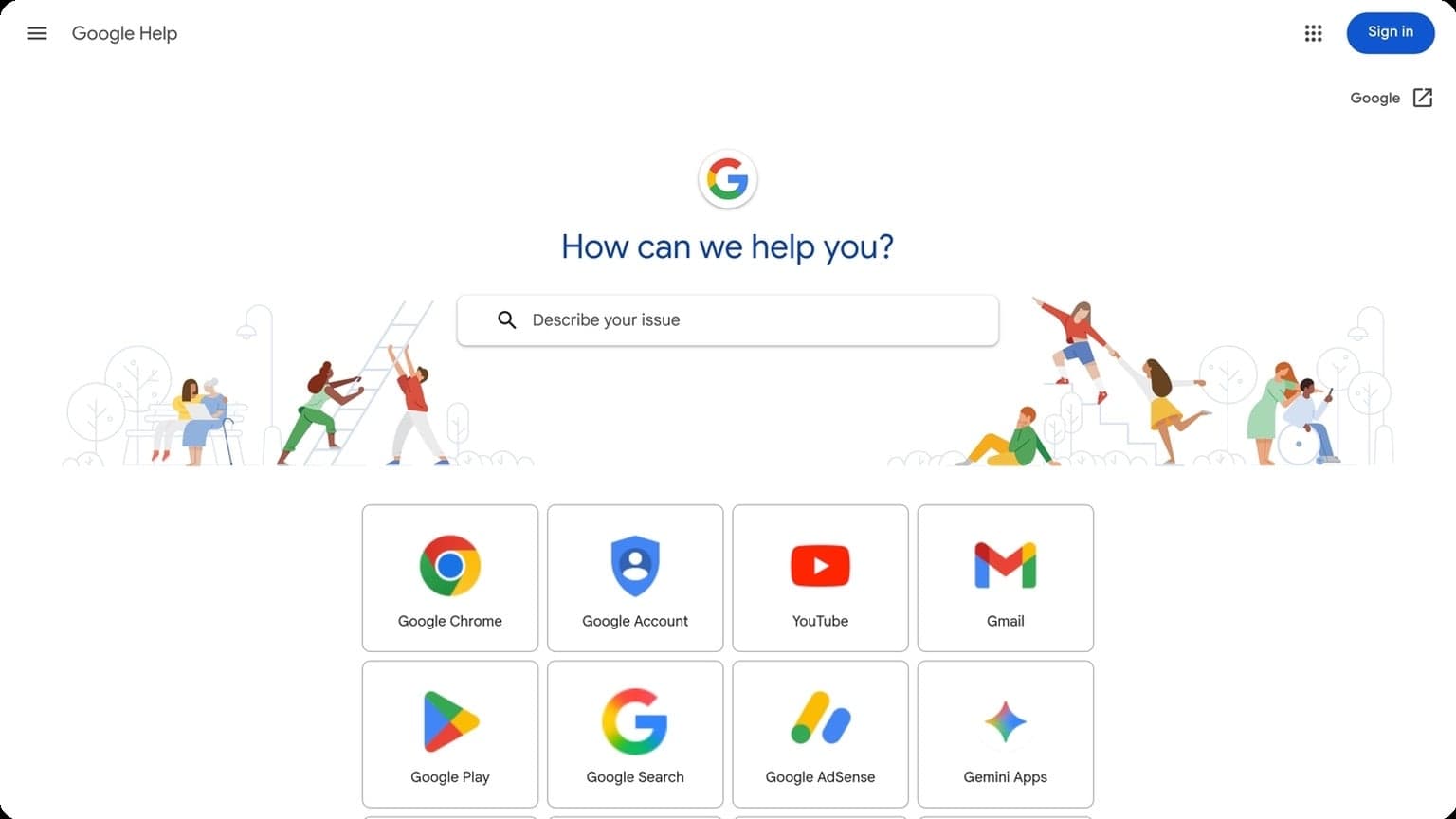
For platform-specific rules and public data access, check official help centers such as Google Support or marketplace documentation. The goal is not volume, but consistency: the same query, the same profile, the same time window. If you keep those variables stable, your research is easier to compare month over month and less likely to be skewed by session history or location-based personalization.
Price tracking
Price changes often reveal positioning strategy, inventory pressure, and promo cycles. Track list price, coupon behavior, bundle offers, and shipping fees together, because the visible “price” is rarely the full cost. A compact comparison table makes trends easier to read:
| Signal | What it shows | Why it matters |
|---|---|---|
| Base price | Core positioning | Shows premium vs. value strategy |
| Discounts | Promo timing | Reveals seasonal or inventory-led moves |
| Shipping | Total purchase cost | Often changes conversion more than the sticker price |
For e-commerce teams, the most useful price data is usually the data you can compare cleanly. If one profile is used for U.S. pricing and another for EU pricing, you can quickly see whether a seller is localizing offers, absorbing shipping costs, or using different discount structures by region. That kind of comparison is hard to trust if the browser environment keeps changing.
Competitor checks
Competitor checks should answer three questions: what they launched, how they priced it, and how customers reacted. Use separate browser profiles to compare product pages, ad libraries, and review patterns without mixing sessions or triggering unnecessary verification prompts. This is especially useful when you need to revisit the same competitor repeatedly over several weeks and want each visit to look like a normal, independent session.
Focus on repeatable checks rather than one-off browsing. A short checklist keeps analysis practical:
- Compare product titles, images, and claims
- Track review volume and rating changes
- Note new bundles, variants, or upsells
When these checks are run consistently, product research becomes a steady source of market intelligence instead of guesswork. Over time, that consistency helps you spot patterns such as seasonal promotions, packaging changes, or listing rewrites that may signal a shift in competitor strategy.
Supplier Accounts
Supplier accounts are where multi-account discipline matters most. One login mistake, one shared session, or one uncoordinated handoff can expose sourcing activity and disrupt order flow. The goal is simple: keep each supplier profile isolated, stable, and usable by the right people. In practice, that also means documenting which profile belongs to which vendor, which proxy is attached, and who on the team is allowed to access it.
Login separation
Separate logins prevent cross-contamination between marketplaces, vendor portals, and internal tools. Each supplier account should live in its own browser environment so cookies, fingerprints, and autofill data do not overlap. That reduces the chance of forced re-verification, flagging, or accidental access to the wrong account.
For teams managing multiple suppliers, a clean separation model also makes auditing easier. You can map one profile to one supplier, then assign proxies and permissions consistently instead of mixing access across devices. This is especially helpful when onboarding a new procurement assistant or when a vendor asks for a follow-up login from a different region or workstation.
Session stability
Supplier portals often punish unstable sessions: sudden IP changes, repeated logouts, or device mismatch can trigger security checks. A stable setup keeps the same browser identity and network pattern in place, which helps preserve trust signals over time. If your team handles recurring purchase orders, quote requests, or shipment updates, even small session disruptions can create delays that ripple through the rest of the workflow.
- Use a dedicated profile per supplier.
- Keep proxy location and device settings consistent.
- Avoid switching browsers or clearing data mid-workflow.
For higher-volume operations, this stability reduces re-authentication delays and protects time-sensitive tasks like quote review, inventory updates, and invoice approvals. It also makes it easier to spot genuine account issues, because you are not constantly troubleshooting browser noise at the same time.
Team access
Supplier accounts are rarely managed by one person. Procurement, finance, and operations may all need controlled access, so the browser setup should support role-based workflows without exposing the full account to everyone.
A practical access model looks like this:
| Role | Access level | Best practice |
|---|---|---|
| Procurement | Daily login and negotiation | Use a dedicated profile |
| Finance | Invoices and payments | Limit to approved sessions |
| Managers | Review and oversight | Shared visibility, not shared credentials |
When teams need to coordinate safely, a tool like GoUndetected.io helps keep access organized without turning supplier management into a security risk. It also gives operations teams a cleaner way to separate responsibility, which matters when multiple departments touch the same vendor relationship.
Security Features
Security in multi-account workflows is less about “hiding” and more about keeping each session consistent, separated, and hard to correlate. GoUndetected.io helps teams reduce linkability by controlling browser signals, routing traffic through trusted proxies, and isolating every profile so one mistake doesn’t spill into another account. That approach is practical for e-commerce because it supports everyday work while lowering the chance that one unstable profile affects the rest of the stack.
Fingerprint control
Modern platforms combine dozens of signals to identify a device, from canvas and WebGL data to time zone and language settings. With fingerprint control, you can align these signals so each profile presents a stable, believable browser environment instead of a patchwork of mismatched values.
That consistency matters because inconsistent fingerprints are a common trigger for extra verification. For a practical overview of browser fingerprinting, see EFF’s Cover Your Tracks. In day-to-day use, the real benefit is not just reduced detection risk, but fewer interruptions when your team needs to log in, switch tasks, or revisit an account later.
Proxy support
Proxy support is the second layer of defense. It lets each profile appear from a distinct network location, which is essential when managing multiple stores, ad accounts, or regional workflows. The key is matching the proxy type to the task and keeping it stable for that profile.
| Proxy type | Best for | Security value |
|---|---|---|
| Residential | High-trust accounts | Lower block risk |
| Datacenter | Speed-focused tasks | Cost-efficient |
| Mobile | Mobile-like behavior | Strong legitimacy |
Profile isolation
Profile isolation keeps cookies, local storage, extensions, and login states separated so one profile cannot contaminate another. This is critical for security because shared data is often what causes accidental cross-account linking, especially when teams work fast or switch accounts frequently.
In practice, isolation also improves operational discipline:
- one profile = one identity, proxy, and workflow
- fewer login conflicts and session leaks
- lower risk of accidental bans from mixed signals
It also makes troubleshooting much easier. If one profile starts prompting for verification, you can isolate the issue to that account instead of wondering whether a shared cookie, extension, or browser setting affected the entire team.

Workflow Fit
Workflow fit is where an antidetect browser proves its value: not just whether it can open many profiles, but whether it helps your team move faster with fewer manual steps. GoUndetected.io is built for operators who need repeatable account workflows, clean handoffs, and stable day-to-day execution. The best workflow tools reduce friction at the moments that usually slow teams down, such as onboarding, switching accounts, or assigning work to another operator.
Bulk actions
When you manage dozens or hundreds of profiles, single-profile edits become a bottleneck. Bulk actions let you standardize settings, update proxies, and apply tags across multiple accounts in one pass, which reduces setup time and lowers the chance of configuration drift.
Look for workflows that support:
- Mass profile creation and cloning
- Batch proxy assignment and rotation
- Bulk tagging, grouping, and status updates
Automation support
Automation matters when repetitive tasks start consuming your team’s day. A strong workflow fit means the browser can work with scripts, APIs, or RPA tools so you can schedule logins, run checks, and trigger actions without constant manual input. That is especially useful for teams that need to verify listings, refresh dashboards, or collect routine account data on a fixed schedule.
For teams comparing options, the key question is whether automation complements identity isolation. If you need more control over repeatable account operations, review the platform’s integration path in the GoUndetected.io product details before committing to a workflow.
| Workflow need | Best-fit capability |
|---|---|
| Account onboarding | Bulk profile templates |
| Routine maintenance | Automation-friendly actions |
| Scaling with a team | Shared permissions and logs |
Collaboration tools
Multi-account work rarely stays with one operator. Collaboration tools help teams assign ownership, control access, and keep activity visible so handoffs are clean and errors are easier to trace. That is especially important when several people touch the same campaign or client account set.
At minimum, your workflow should support role-based access, shared folders or workspaces, and audit-friendly activity tracking. Those features keep operations organized without forcing everyone into the same login or spreadsheet-based process. They also make it easier to scale training, because new team members can follow a defined structure instead of inventing their own account-handling habits.
Final Choice
Final selection should come from evidence, not preference. At this stage, compare how each browser performs under real workloads: profile stability, proxy handling, fingerprint consistency, and how quickly your team can move without triggering extra verification. A short, structured trial will usually reveal more than feature lists. The best option is the one that fits your actual operating rhythm, not just the one with the longest feature page.
Testing methods
Run the same workflow across each candidate tool: create a fresh profile, attach the same proxy type, log into the same platforms, and repeat the process from multiple devices if possible. Track whether sessions stay stable, whether captchas increase, and whether cookies, time zones, and WebRTC settings stay aligned.
- Launch speed and profile load time
- Login success rate and checkpoint frequency
- Fingerprint consistency across sessions
- Team access, sharing, and permission controls
Cost review
Look beyond the sticker price. The real cost includes proxies, team seats, automation tools, failed accounts, and the time your operators spend fixing profile issues. A slightly higher monthly fee can be cheaper if it reduces bans and support overhead. It can also save money indirectly by cutting down on duplicated work, since a stable browser setup usually means fewer retries and fewer hours spent redoing tasks that should have worked the first time.
| Cost factor | What to check |
|---|---|
| Subscription | Monthly vs. annual pricing and seat limits |
| Operations | Proxy usage, retries, and manual cleanup time |
| Risk | Account loss, downtime, and recovery costs |
Scalability planning
Choose a browser that can grow with your workflow, not just handle today’s account count. If you expect more profiles, more operators, or heavier automation, verify limits on storage, synchronization, and concurrent sessions before you commit.
For teams that want a practical balance of control and speed, GoUndetected is often the safer recommendation: it is built for multi-account management, keeps scaling straightforward, and avoids the clunky setup that slows teams down. If you want to review the workflow first, start with the GoUndetected.io homepage and map it against your current process. A careful comparison now usually pays off later in fewer account issues, cleaner handoffs, and a more predictable operating model.
Need more hands-on playbooks? Read How to use LinkedIn for business.
Browse Undetected. Stay Private.
Unique browser fingerprints, built-in proxy support, and anti-detection technology. Try GoUndetected free for 7 days.
Available for macOS and Windows · No credit card required