
How to get Facebook Marketplace
Learn how to get Facebook Marketplace on desktop, avoid login issues, and protect your account with safer access practices, recovery tips, and anti-detection tools.

If you’re trying to figure out how to get Facebook Marketplace, the answer is usually simple: Marketplace is built into Facebook, but access depends on your account, device, app version, and region. In practice, the real challenge isn’t “downloading” Marketplace — it’s finding it when the Marketplace icon missing problem appears, or understanding why Facebook Marketplace not showing up on desktop or phone even though your account seems normal.
This guide is designed to solve that problem properly. You’ll learn how to open Facebook Marketplace on desktop and on phone, how to get the Marketplace icon back, how to check Facebook Marketplace eligibility, what Facebook Marketplace restrictions look like, and what to do if your account was flagged or limited. We’ll also cover the seller side: listing creation, common onboarding issues, and the safest way to manage multiple Facebook accounts without creating the kind of patterns that trigger reviews.
Unlike vague troubleshooting posts, this article follows a practical decision tree: first confirm availability by country, then verify your account standing, then check device and browser factors, and finally review recovery options if Marketplace access was removed. If you operate as a reseller, agency, or high-volume seller, we’ll also explain how to manage multiple Marketplace accounts more safely — including when a tool like GoUndetected.io can help isolate sessions and reduce cross-account signals.
Facebook Login Safety
Facebook login safety is less about “getting in” and more about looking consistent while you do it. Meta’s systems evaluate device history, IP reputation, session behavior, and even how quickly you move through login steps, so a normal-looking login can still be flagged if the pattern seems unusual.
Why It Matters
A safe login reduces checkpoints, temporary locks, and forced verifications that can interrupt account access. For teams managing multiple profiles, that stability is critical because one suspicious login can cascade into review requests across connected accounts.
It also protects account trust over time. The more often Facebook sees clean, predictable access patterns, the less likely it is to treat your sessions as risky. Meta’s own guidance on account security emphasizes keeping login activity recognizable and protected: Facebook Help Center.
Common Triggers
Most login issues come from sudden changes in environment or behavior. A new browser fingerprint, a different country, a fast IP switch, or repeated failed logins can all push the system toward a checkpoint.
- Logging in from a new device or browser profile
- Using low-quality or overused proxies
- Rapid account switching in one session
- Entering the wrong password multiple times
- Accessing accounts from locations that do not match prior history
Risk Signals
Facebook does not rely on one signal alone. It weighs patterns such as session continuity, cookie consistency, IP geolocation, and whether your login flow matches prior behavior. If several signals change at once, the account looks more like a takeover attempt than a routine login.
| Signal | Lower Risk | Higher Risk |
|---|---|---|
| Device | Known browser profile | Fresh, unrecognized fingerprint |
| IP | Stable residential location | Shared or frequently changing proxy |
| Behavior | Normal login cadence | Fast switching, retries, or automation-like actions |
Account Recovery Basics
Recovering an account is usually straightforward if you can prove ownership quickly and keep the process secure. The goal is to restore access without triggering extra risk checks or giving attackers a second chance.
Verify Identity
Most platforms will ask for one or more proof points: a backup code, SMS verification, trusted device approval, or answers to recovery prompts. Use the method that matches the account’s original setup, and avoid repeated failed attempts, which can extend lockouts or trigger fraud review.
If you manage multiple accounts, keep recovery artifacts organized by account and platform. A simple checklist helps you move faster and reduces mistakes during time-sensitive recovery.
- Registered phone number or recovery email
- Backup codes saved offline
- Trusted device or authenticator app access
- Government ID, if the platform requires manual review
Secure Email
Your recovery email is often the fastest route back in, but only if it’s protected. Make sure the inbox itself has a strong unique password, 2FA enabled, and no unknown forwarding rules or recovery addresses added by an attacker.
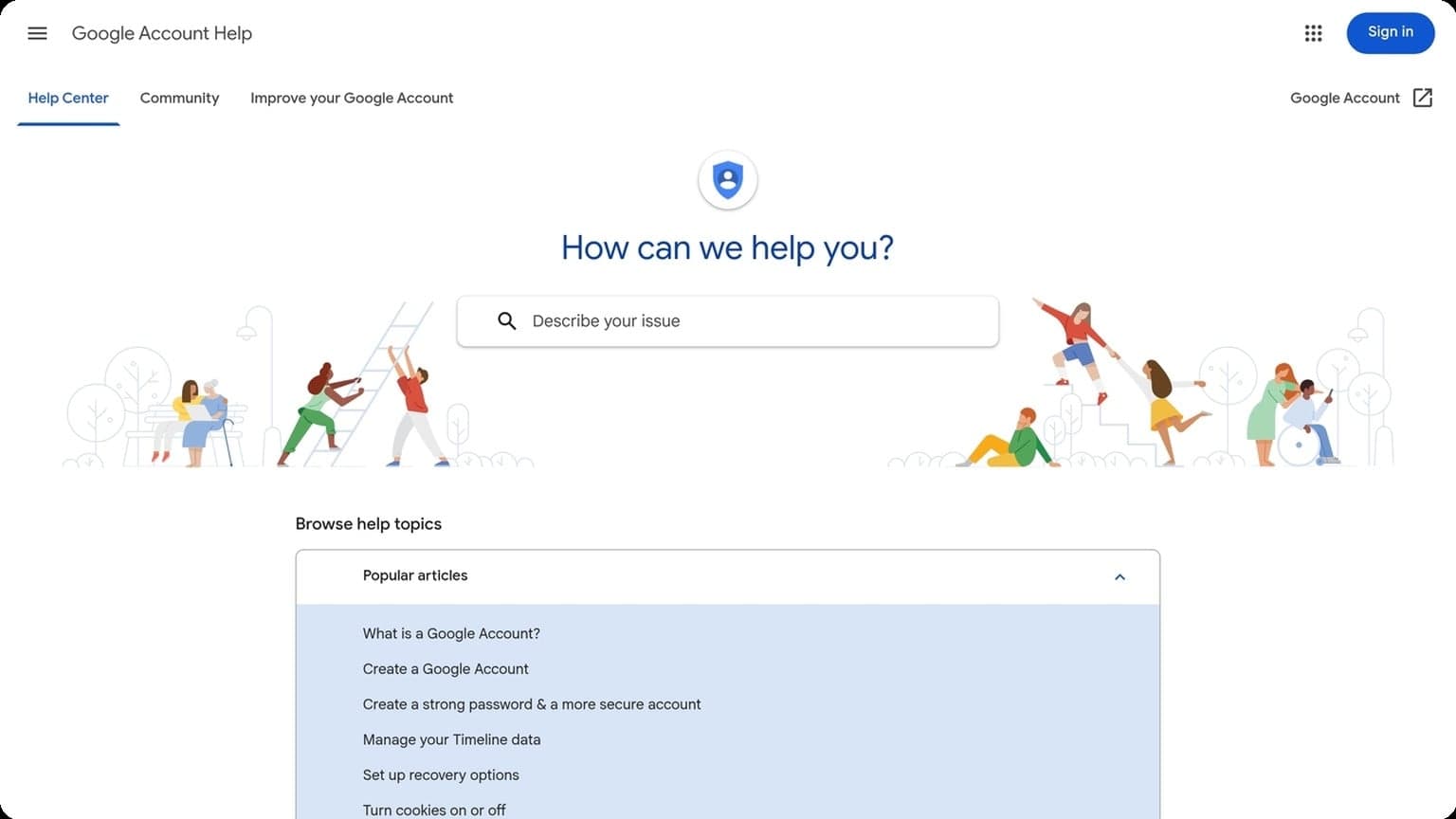
Check for messages from the platform’s official domain and avoid clicking shortened or unexpected links. If you need help confirming the right support channel, start from the platform’s help center or trusted docs such as Google Account Help or Instagram Help Center.
Reset Password
Once identity is confirmed, reset the password immediately and choose a unique passphrase not used anywhere else. Reused passwords are one of the most common causes of repeat compromise, especially when multiple accounts share similar credentials.
After the reset, review active sessions and sign out of unfamiliar devices. If the platform offers it, update recovery options and enable 2FA in the same session so the account is protected before you resume normal use.
- Create a new, unique password
- Confirm the reset email or SMS came from the official source
- Log out all other sessions
- Update recovery details and security settings
Device Fingerprint Checks
Device fingerprint checks are one of the fastest ways platforms connect multiple sessions to the same operator. Instead of relying on a single signal, anti-fraud systems combine browser, network, and storage data to build a profile that stays consistent over time. If those signals look unstable or contradictory, the account is more likely to be flagged for review.
Browser Clues
Browsers reveal a surprising amount of identifying detail: user agent, canvas output, WebGL data, fonts, screen size, time zone, language, and installed extensions. When these values don’t line up with the rest of the session, the fingerprint looks artificial. For example, a browser claiming one operating system while exposing graphics data from another is a common red flag.
Consistency matters more than “hiding” one single value. A strong setup keeps browser attributes aligned across sessions so each profile looks like a real, stable device rather than a rotating mix of settings. That is why antidetect tools are used to isolate profiles and keep fingerprints coherent.
IP Patterns
IP behavior is another major check. Platforms compare login location, proxy reputation, ASN, and whether multiple accounts repeatedly appear from the same network. Sudden jumps between countries, datacenter IPs used by many users, or frequent proxy changes can create obvious risk signals.
A practical way to think about IP checks is to match the network to the profile’s expected behavior. Residential or mobile proxies usually blend better for routine account work, while unstable or overused proxies often trigger more scrutiny.
| Signal | Low Risk | Higher Risk |
|---|---|---|
| Location | Stable, consistent region | Frequent country switching |
| IP Type | Clean residential/mobile | Shared datacenter ranges |
| Session History | Same network pattern over time | Rapid, repeated proxy rotation |
Cookie Issues
Cookies and local storage help platforms recognize returning users. If cookies are missing, duplicated across unrelated profiles, or cleared too often, the account can look like it is being reset or manipulated. That inconsistency is especially risky when paired with changing browser and IP signals.
For multi-account workflows, each profile should keep its own isolated cookie state. This reduces cross-account contamination and helps sessions appear natural. If you want a deeper technical overview, see the MDN cookies documentation for how browser storage works at a basic level.
Safer Login Practices
Safer login habits reduce the chance of account flags, lockouts, and unauthorized access. For multi-account workflows, the goal is not just “getting in” once, but keeping each login session consistent, predictable, and hard to misuse.
Trusted Devices
Use a small, controlled set of devices for routine logins. Platforms often treat a new device as a risk signal, especially when it appears alongside a new IP, unusual location, or fresh browser fingerprint. If you manage several accounts, keep each profile tied to the same device environment whenever possible.
Before logging in, confirm the device is secure and updated. A clean device policy should include:
- Operating system and browser updates
- Device-level screen lock or biometric protection
- No shared user accounts on the same machine
- Separate browser profiles for separate identities
VPN Use
A VPN can hide your public IP, but it can also create inconsistency if you switch servers too often or choose crowded data-center endpoints. For login stability, the key is location discipline: keep the same country, region, and exit pattern aligned with the account’s normal behavior. For platform guidance on account security signals, review official help resources like Google Account Help.
Use VPNs for privacy and network protection, not as a randomizer. A practical comparison looks like this:
| Option | Best for | Login risk |
|---|---|---|
| Stable residential VPN | Consistent daily access | Lower |
| Frequent server switching | Short-term anonymity | Higher |
| Data-center IPs | General browsing | Medium to high |
Session Control
Control sessions actively instead of letting them accumulate. Log out of unused devices, clear stale sessions after password changes, and review active logins regularly. If a platform supports session history, check it after travel, proxy changes, or any unusual login prompt.
Good session control also means limiting overlap. Avoid opening the same account across multiple browsers or devices at the same time unless the platform expects it. A simple routine helps:
- Log in from the intended device and network only.
- Verify the session is active and recognized.
- End older sessions before switching environments.
- Recheck alerts after any security-sensitive action.
Avoiding Lockouts
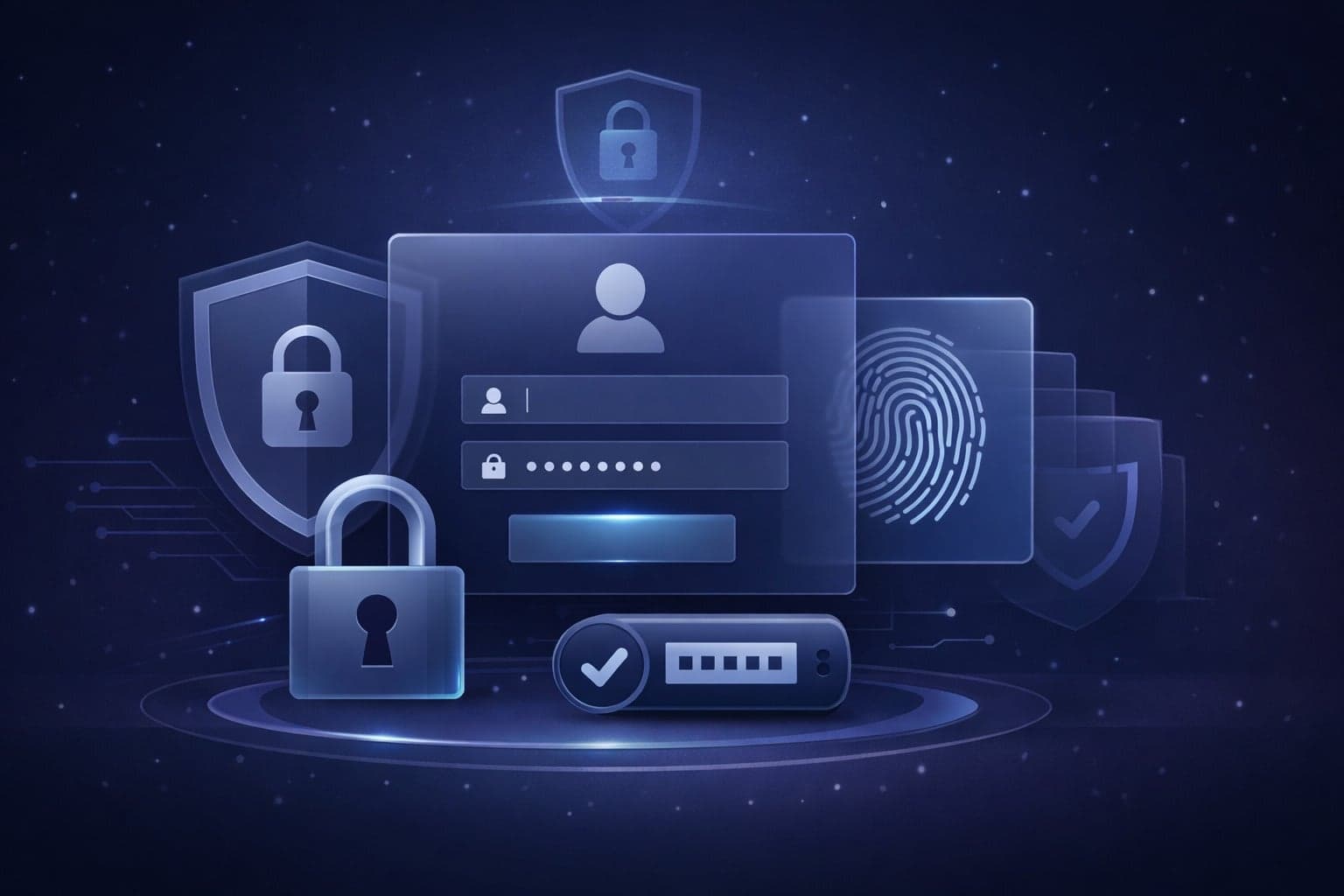
Lockouts usually happen when a platform sees patterns that don’t match normal user activity. The goal is not just to “blend in,” but to keep every account stable, predictable, and easy to verify when needed. The three biggest controls are behavior consistency, profile hygiene, and strong but managed authentication.
Consistent Behavior
Platforms compare login timing, device signals, session length, and navigation habits. If one account logs in from five locations in a day, changes language settings repeatedly, and switches between devices, it can trigger risk checks fast. Keep each profile’s activity pattern steady and realistic.
A simple operating rule helps: use the same proxy, timezone, browser fingerprint, and workflow for each account. If you need a reference, review platform guidance such as Instagram Help Center or similar official support pages to understand what typically prompts verification.
Clean Profiles
Clean profiles reduce cross-account contamination. Cookies, cached sessions, saved passwords, and extensions can leak signals between accounts and create false associations. Before launching a new profile, make sure it starts from a fresh, isolated environment.
- Use one profile per account.
- Keep extensions minimal and account-specific.
- Separate proxies by region and use case.
- Clear old session data before reuse.
| Profile element | Best practice | Risk if shared |
|---|---|---|
| Cookies | Isolate per account | Session linking |
| Proxy | Assign consistently | Location mismatch |
| Extensions | Limit to essentials | Fingerprint overlap |
Two-Factor Auth
Two-factor authentication protects accounts, but it can also become a lockout point if codes, devices, or backup methods are not organized. Use an authenticator app where possible, and document recovery options before scaling to multiple accounts.
Keep backup codes in a secure vault, not in the browser profile itself. If your team manages multiple logins, assign ownership clearly so a lost phone or reset request does not freeze access to a revenue-critical account.
GoUndetected.io Advantage
GoUndetected.io is built for operators who need cleaner separation, fewer session surprises, and smoother collaboration across multiple accounts. Instead of treating browser profiles as simple tabs, it gives each workflow a controlled environment that helps reduce overlap and keeps day-to-day management predictable.
Profile Isolation
Strong profile isolation is the foundation of safer multi-account work. GoUndetected.io helps separate browser fingerprints, cookies, storage, and session data so one profile does not bleed into another. That matters when you manage accounts across marketplaces, social platforms, ad networks, or client portfolios where even small inconsistencies can trigger extra checks.
In practice, isolation makes it easier to assign one account per profile, keep proxy settings aligned, and reduce the risk of accidental cross-contamination. For teams handling high account volume, that structure supports cleaner audits and more repeatable operations.
Stable Sessions
Session stability is where many antidetect setups fall apart: a profile opens, but the environment shifts enough to cause logouts, verification prompts, or trust issues. GoUndetected.io is designed to preserve continuity, so users can return to the same profile with a more consistent browser state and fewer disruptions.
- Persistent profile data for repeat logins
- Consistent browser environment across work sessions
- Lower chance of workflow interruptions during account switching
Team Workflows
Multi-account management is rarely a solo task. GoUndetected.io supports team workflows by making it easier to organize profiles, delegate access, and keep operations aligned without exposing unnecessary credentials. That helps agencies and internal teams separate responsibilities while maintaining control over the full account stack.
For structured collaboration, teams can standardize how profiles are named, assigned, and reviewed. A simple workflow often looks like this:
- Create a dedicated profile for each account or client.
- Assign access only to the teammates who need it.
- Document proxy, login, and usage rules inside the team process.
Need more hands-on playbooks? Read Anti-Detection Browser Comparison for QA and Web Testing Teams: Which Features Matter Most?, Camoufox alternatives, and How to Detect and Fix Browser Fingerprint Mismatches Before They Trigger a Ban.
Browse Undetected. Stay Private.
Unique browser fingerprints, built-in proxy support, and anti-detection technology. Try GoUndetected free for 7 days.
Available for macOS and Windows · No credit card required