
Stealth Browsing Techniques: Secure, Anonymous Surfing
Explore stealth browsing techniques for secure and anonymous online experiences. Learn methods like VPNs and proxy servers for private surfing.

stealth browse
In today's digital age, privacy is a growing concern. Many seek ways to protect their online activities. Stealth browsing techniques offer a solution.
These methods ensure secure web access and hidden browsing. They help users maintain anonymity and privacy online.
From VPNs to private browsing modes, options abound. Each technique has its unique benefits and limitations.
Understanding these tools is crucial for effective use. This guide will explore various stealth browsing techniques.
Learn how to surf the web safely and anonymously. Discover the best practices for private surfing and covert browsing.
What Is Stealth Browsing?
Stealth browsing involves using techniques to protect your online identity. It ensures privacy and anonymity while surfing the web. It is crucial for those concerned about data security.
This method helps prevent tracking of online activities. Stealth browsing masks IP addresses and hides browser fingerprints. This makes it challenging for advertisers and third parties to collect data.
There are several key features of stealth browsing:
- Private surfing modes
- Anonymous browsing tools
- Secure, encrypted connections

By implementing these methods, users can enjoy a safer online experience. This approach also helps bypass censorship and geo-restrictions effectively.
Why Use Stealth Browsing Techniques?
Stealth browsing protects your digital privacy. It keeps your data from being accessed or shared without consent. This is crucial in a world where data breaches are common.
Another reason is to maintain secure web access. Avoiding tracking can help dodge unwanted ads and content targeting. Stealth browsing provides peace of mind.
Stealth browsing techniques also help in:
- Evading surveillance
- Bypassing geo-restrictions
- Accessing restricted content
By using these techniques, individuals ensure a safer, more private online existence.
Essential Stealth Browsing Techniques
Maintaining privacy online requires diverse stealth browsing techniques. Each has unique benefits to suit various needs. Users can mix them for enhanced protection. Popular methods include VPNs, Tor Browser, and proxy servers.
These techniques allow for:
- Secure connections
- Anonymous browsing
- Access to restricted content
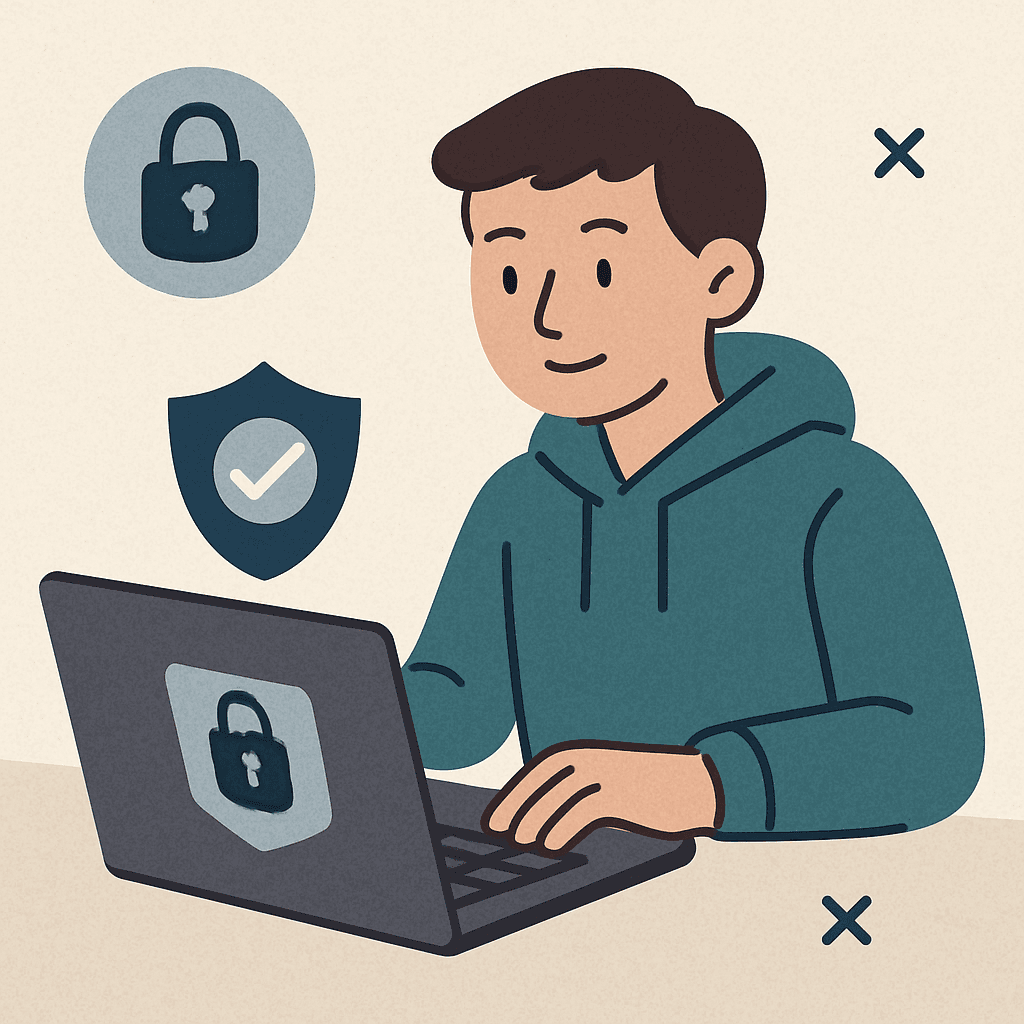
Employing these tools can drastically improve online security. Be informed of their pros and cons for the best results. Incorporating them into daily use is a wise choice for privacy-seekers.
Using VPNs for Secure Web Access
Virtual Private Networks (VPNs) encrypt internet connections. They are a top choice for secure web access. VPNs hide your IP address, making online activities private.
Features of VPNs include:
- Encryption of data
- Anonymity of location
- Access to blocked sites

Many VPN services offer user-friendly apps. Subscribing to a reputable VPN provider ensures data is kept safe. Users can enjoy web surfing without worry.
Tor Browser and Onion Routing
Tor Browser is known for anonymous browsing. It uses onion routing for layered security. This makes it tough for third parties to track.
Advantages of Tor Browser:
- Completely free to use
- Multiple layers of encryption
- Access to dark web content
Using Tor, users protect their identity and location. Yet, Tor might slow down connection due to its routing complexity. It's vital for high anonymity.
Proxy Servers for Covert Browsing
Proxy servers facilitate covert browsing by masking IP addresses. They act as a middleman between user and internet.
Key benefits of proxy servers:
- Masking real IP address
- Bypassing content restrictions
- Potentially faster connections
Proxies are useful for geographic-based content access. However, free proxies might log data, affecting privacy. Choose a reputable provider for best results.
Incognito and Private Browsing Modes
Incognito or private modes in browsers prevent storage of history and cookies. These modes add a layer of privacy during browsing sessions.
Uses of incognito mode include:
- Preventing cookie accumulation
- Avoiding storage of browsing history
- Temporary anonymity on shared devices
These modes aren't foolproof for anonymity. They mainly provide local privacy. For comprehensive stealth, combine with other techniques.
Privacy-Focused Search Engines
Search engines like DuckDuckGo prioritize user privacy. These engines don't track search habits.
Key features of privacy-focused search engines:
- No search history storage
- Enhanced search result privacy
- Avoidance of personalized ads
Privacy engines provide peace of mind. Results may differ from popular engines, but prioritize user data safety. They ensure searches remain confidential.
Browser Extensions for Private Surfing
Extensions such as HTTPS Everywhere enhance browser privacy. They ensure encrypted connections to websites, boosting secure web access.
Important extensions include:
- Privacy Badger
- uBlock Origin
- HTTPS Everywhere
These tools block trackers and ads. They reduce data leaks during browsing. Easy installation makes them a must-have for privacy-concerned users.
Advanced Tips for Stealth Online
To level up your online stealth, consider adding extra security layers. Adopt practices that enhance anonymity and protect your digital footprint.
Effective tips include:
- Regularly clearing cookies and cache
- Disabling browser tracking scripts
- Using different email addresses for registrations
These actions minimize tracking risk and improve privacy. Incorporate them into your routine for better stealth performance. Stay proactive and aware of new stealth techniques to remain ahead.
Common Pitfalls and Limitations
While stealth browsing enhances privacy, it's not foolproof. Some methods slow internet speed or fail to bypass blocks.
Common limitations include:
- Ineffective free VPNs
- Websites blocking stealth tools
- Connection lags with encryption
Understanding these issues helps set realistic expectations. Awareness of these pitfalls can guide better tool selection and usage.
Legal and Ethical Considerations
Using stealth browsing for privacy is not always straightforward. Laws vary by region, and ethical concerns can arise.
Considerations include:
- Legal regulations on VPNs
- Ethical implications of bypassing restrictions
- Liability for content accessed
Conclusion: Staying Safe and Anonymous Online
Stealth browsing techniques are crucial for online privacy. They help maintain anonymity and protect your data.
Always stay informed about new threats and security tools. This ensures effective and safe browsing experiences.
Browse Undetected. Stay Private.
Unique browser fingerprints, built-in proxy support, and anti-detection technology. Try GoUndetected free for 7 days.
Available for macOS and Windows · No credit card required