
TikTok view bot
Learn what a TikTok view bot is, why people use it, how detection works, and the risks of shadowban or account loss. Explore safer ways to grow views.

A TikTok view bot may promise instant social proof, but in practice it usually creates the wrong kind of attention: fake views, weak engagement, and a higher risk of TikTok detection. If you’re researching TikTok bot views because you want faster growth, it’s worth understanding what TikTok actually measures before you spend money on a tactic that can trigger shadowban or account suspension.
The real issue is not just the views themselves. TikTok evaluates device fingerprinting, network analysis, and behavioral signals to decide whether activity looks human or coordinated. That means even legitimate multi-account TikTok operations can run into problems if accounts share the same device, IP range, or session patterns. For teams, agencies, and creators managing multiple brands, safe multi-account management matters more than chasing inflated metrics.
In this guide, we’ll break down how fake views are detected, why they rarely help TikTok account growth, and what a safer workflow looks like in practice. We’ll also compare cloud phones, antidetect browsers, proxies, and account isolation strategies so you can choose the right setup for your use case instead of relying on guesswork.
If your goal is sustainable growth, not short-term vanity metrics, the better path is building an environment that supports real posting, testing, and engagement. For that, solutions like GoUndetected can help create the separation and stability needed to manage accounts more safely at scale.
TikTok View Bot
A TikTok view bot is a tool or script that artificially inflates video views by sending automated traffic to content. It is usually marketed as a fast way to “boost” visibility, but the numbers it creates do not represent real audience interest or engagement.
What It Is
In practice, a view bot simulates repeated plays from fake or low-quality sessions. Some services target a single post, while others rotate across multiple accounts to make the activity look more natural. This can temporarily increase view counts, but it does not build followers, watch time quality, or sales.
For creators and marketers, the key issue is that TikTok measures more than raw views. Retention, rewatches, comments, shares, and session behavior all influence distribution, so inflated views alone rarely improve long-term performance.
How It Works
Most view bots rely on automation, proxies, and account rotation to generate traffic at scale. They may use browser emulation, headless sessions, or device fingerprints that mimic normal users. More advanced setups spread requests across IPs and profiles to reduce immediate detection.
| Component | Purpose | Why It Matters |
|---|---|---|
| Automation | Triggers repeated video plays | Creates artificial volume |
| Proxies | Changes IP addresses | Reduces pattern matching |
| Account rotation | Cycles identities | Makes activity less obvious |
Main Risks
The biggest risk is enforcement. TikTok can remove fake views, suppress reach, restrict accounts, or issue bans when suspicious traffic patterns appear. For reference, see TikTok’s own guidance in the Community Guidelines.
- View count inflation that gets stripped later
- Lower trust from brands and real followers
- Account restriction or shadow-limiting
- Wasted spend on low-quality traffic
There is also a strategic cost: fake engagement can distort analytics, making it harder to identify what content actually converts. If you manage multiple TikTok accounts, safer infrastructure matters more than shortcuts.
Why People Use It
People turn to multi-account tools for one simple reason: they need to move faster without losing control. Whether you manage campaigns, storefronts, or client accounts, the bottleneck is usually not strategy—it’s account setup, browser isolation, and the constant risk of overlap. GoUndetected.io helps reduce that friction so teams can focus on execution.
Faster Growth
Growth often comes from running more tests in parallel. With separate browser profiles, teams can scale outreach, ads, and marketplace operations without constantly resetting sessions or worrying about cross-account contamination. That means less time spent on repetitive login issues and more time on high-value work.
In practice, this can speed up workflows across acquisition, posting, and account operations. Instead of treating every account like a manual exception, users can build a repeatable system that supports volume while keeping each identity organized.
Social Proof
Social proof matters because buyers trust what looks active, consistent, and established. Marketers, sellers, and creators use multiple accounts to distribute reviews, seed engagement, or maintain a broader presence across platforms. Done carefully, this can make a brand appear more credible and easier to trust.
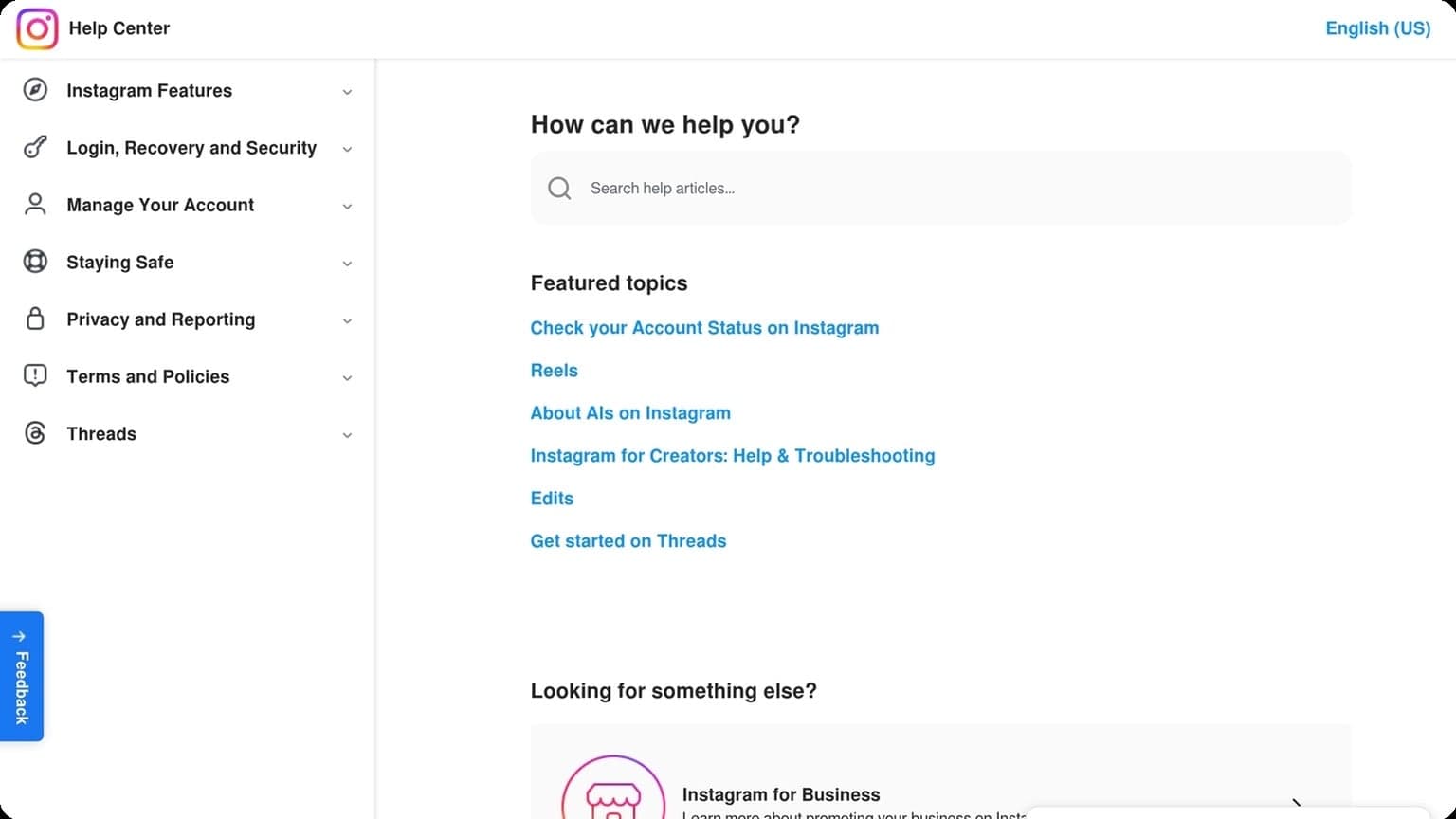
It also supports reputation management. Teams can separate customer support, brand pages, and community-facing profiles so each channel stays focused. For platform rules and identity policies, always check the relevant help center, such as Instagram Help or Google Support.
Testing Content
Testing is one of the most practical reasons to use an antidetect browser. Different accounts let you compare creatives, captions, landing pages, and posting times without mixing signals between experiments. That gives you cleaner feedback on what actually performs.
| What Teams Test | Why It Helps |
|---|---|
| Ad creatives | Finds the strongest message faster |
| Organic posts | Measures engagement by audience segment |
| Funnels | Improves conversion without cross-test noise |
For operators running multiple experiments at once, that clarity is the real advantage: fewer false positives, faster decisions, and better use of ad spend. If you need a practical way to keep testing structured, GoUndetected is a solid tool to have in your stack.
How Bots Work
Bots rarely look like one obvious script. They usually combine fake identities, rotating network signals, and repetitive actions to mimic real users at scale. Understanding these layers helps explain why platforms flag some accounts quickly while others stay active longer.
Fake Accounts
The first layer is identity creation. Bot operators generate or buy accounts with believable names, profile photos, email addresses, and activity histories so each profile looks separate from the next. Some are built in bulk; others are “aged” through low-risk actions to reduce suspicion.
Common signals include mismatched bios, duplicate images, and unnatural signup patterns. Platforms also compare device and behavior fingerprints, so even a convincing profile can fail if it acts like a clone.
- Unique usernames and profile details
- Staged account warming before high-volume actions
- Consistent device and browser fingerprints
Proxy Rotation
Bots often rotate proxies to spread requests across many IP addresses. This makes traffic look geographically distributed and helps avoid rate limits tied to a single location. In practice, the goal is simple: reduce correlation between accounts.
Not all proxies behave the same. Residential IPs usually blend in better than datacenter IPs, but poor rotation logic can still expose patterns. If dozens of accounts share the same browser fingerprint, login cadence, or session timing, proxy changes alone won’t hide the automation.
| Signal | What Bots Try to Hide |
|---|---|
| IP address | Shared origin and location |
| Session timing | High-frequency request bursts |
| Fingerprint | Repeated device/browser traits |
Automated Plays
Once accounts and routing are in place, bots execute repetitive “plays” such as follows, likes, signups, scraping, or checkout attempts. The behavior is usually rule-based, fast, and consistent, which makes it efficient but also easier to detect over time.
Platforms watch for patterns like exact intervals, identical navigation paths, and impossible human speed. For a deeper look at how detection works, see Cloudflare’s bot overview.
Risks and Limits
Even with the right workflow, multi-account operations still carry real limits. The goal is not to eliminate risk entirely, but to reduce the most common failure points that trigger platform scrutiny, distort performance data, or drain budget before you see results.
Account Bans
Account bans usually happen when a platform detects repeated patterns that look automated or linked: identical fingerprints, inconsistent IP behavior, or abrupt login changes. An antidetect browser helps separate sessions, but it cannot override weak operational hygiene or policy violations.
To lower exposure, keep each account’s environment stable and avoid actions that create obvious cross-account signals.
- Use one profile per account with consistent device settings.
- Pair profiles with clean, relevant proxies.
- Avoid logging into multiple sensitive accounts from the same session.
- Monitor platform rules and enforcement updates regularly.
Bad Data
Bad data is a quiet risk: if cookies, local storage, or proxy quality are inconsistent, your analytics can become misleading. That can make a “working” setup look stronger than it is, or hide the real reason an account is underperforming.
For reliable reporting, standardize how you test and record activity. A clean profile structure makes it easier to compare outcomes across accounts and spot anomalies early.
| Risk source | Typical effect |
|---|---|
| Shared fingerprints | Cross-account contamination in metrics |
| Low-quality proxies | False location, slow loads, failed logins |
| Inconsistent session setup | Hard-to-compare performance data |
Wasted Spend
When bans, retries, or broken data pile up, spend increases fast. You pay not only for ads or outreach, but also for recoveries, new accounts, and time spent troubleshooting instead of scaling.
The most efficient teams treat risk control as a cost-saving function. If you want a more stable setup, GoUndetected can help keep profiles organized and reduce avoidable churn while you focus on execution.

Safer Alternatives
When platform enforcement tightens, the safest growth strategy is to diversify away from fragile automation. Organic reach, paid distribution, and creator partnerships can all scale visibility without triggering the same risk profile as aggressive multi-account activity.
Organic Reach
Organic growth compounds when you publish consistently, optimize for search intent, and engage where your audience already spends time. It is slower than shortcuts, but it builds durable traffic and brand trust that doesn’t disappear after one policy change.
- Refresh top-performing content with new angles and keywords.
- Prioritize community replies, comments, and saves over vanity metrics.
- Repurpose one asset into short posts, threads, and email snippets.
Paid Ads
Paid media offers predictable reach if you control targeting, creative testing, and budget pacing. For brands managing multiple campaigns or regions, clean account separation matters as much as the media plan itself.
| Channel | Best Use | Primary Risk |
|---|---|---|
| Search Ads | High-intent conversions | Rising CPCs |
| Social Ads | Demand generation | Creative fatigue |
| Retargeting | Recovering warm traffic | Audience overlap |
Use platform guidance from Google Ads Help and Meta Business Help to keep assets compliant and campaigns stable.
Creator Collabs
Creator partnerships can outperform branded posts because audiences trust people more than logos. The key is fit: choose creators whose audience, tone, and engagement quality match your offer, not just their follower count.
- Define the campaign goal: awareness, clicks, or conversions.
- Vet creators for audience authenticity and content consistency.
- Set clear deliverables, usage rights, and disclosure rules.
For multi-account teams, a structured workflow helps keep outreach, approvals, and publishing organized. Tools like GoUndetected.io can support safer account separation while you scale collaborations without unnecessary friction.
Choose Better Tools
Choosing the right browser stack is not about finding the cheapest option; it’s about reducing friction across every account you manage. If your tool leaks identity signals, crashes under load, or hides performance problems behind vague dashboards, you end up paying for it in bans, support time, and lost campaigns.
Privacy
Privacy starts with control over fingerprints, cookies, profiles, and network routing. A solid antidetect browser should let you isolate sessions cleanly so one account’s behavior does not contaminate another. That matters whether you manage clients, run affiliate accounts, or test ads at scale.
Look for tools that make privacy measurable, not just promised. Strong defaults, profile separation, and proxy compatibility should be standard, not premium add-ons.
- Per-profile browser fingerprints
- Cookie and storage isolation
- Proxy support for different locations
- Permission controls for team access
Reliability
Reliability is what keeps multi-account workflows moving. If profiles fail to launch, sync breaks, or updates change behavior without warning, your operations become reactive instead of scalable. Stable tools save more time than flashy tools ever will.
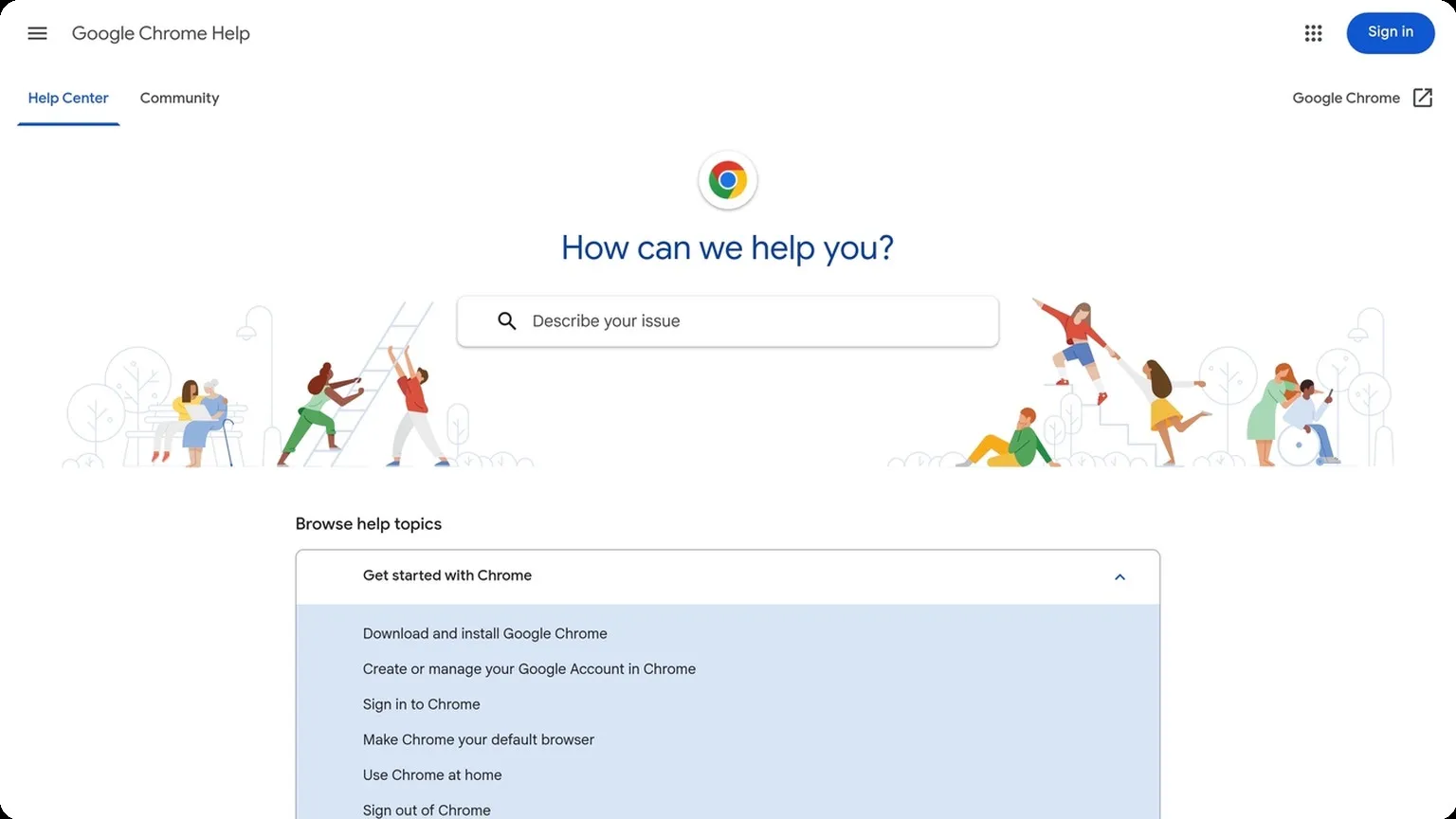
Before committing, check whether the product has clear release notes, responsive support, and a record of consistent performance under repeated use. For browser integrity guidance, review resources from Chrome Help and compare them with your own workflow requirements.
Real Metrics
Marketing claims are easy to copy; metrics are harder to fake. Evaluate tools using data that reflects your actual workload: session success rate, profile launch time, crash frequency, and account survival over time. Those numbers tell you whether a browser is helping or quietly increasing risk.
| Metric | What to Track | Why It Matters |
|---|---|---|
| Launch success | Profiles opened without errors | Shows operational stability |
| Uptime | Hours without interruptions | Supports consistent daily work |
| Account retention | Accounts active after 30 days | Measures practical anti-detect value |
If a tool cannot show those numbers clearly, it is probably not the right fit. In practice, teams often prefer GoUndetected because it combines privacy controls with dependable performance and the kind of reporting that makes decisions easier.
Need more hands-on playbooks? Read How to Compare Anti-Detection Tools for Team Collaboration, Profile Sharing, and Access Control, Cloud phone for TikTok ads, and Do scheduled posts get less views.
Browse Undetected. Stay Private.
Unique browser fingerprints, built-in proxy support, and anti-detection technology. Try GoUndetected free for 7 days.
Available for macOS and Windows · No credit card required